At a glance
| My role | UX Designer and Researcher |
|---|---|
| Role details | Responsible for discovery, wireframing, and end-to-end design of the new internal website for the Marketing Intelligence team. |
| Project objectives | Design a clear, accessible internal website that would help the Marketing Intelligence team communicate their services, data insights, and resources to internal stakeholders across the university. |
| Services delivered |
|
| Project overview | The University of Glasgow's Marketing Intelligence team required an internal website to make their data, reports, and services easier to discover and use by colleagues across the institution. I led discovery, defined the information architecture, produced full wireframes, and delivered a complete design ready for development. |
| Software used |
|
Success metrics
What I did
The challenge
The Marketing Intelligence team had valuable data and insight to share with colleagues, but no structured digital home for it. Information was scattered across email chains, shared drives, and informal conversations — making it difficult for staff to find what they needed.
My approach
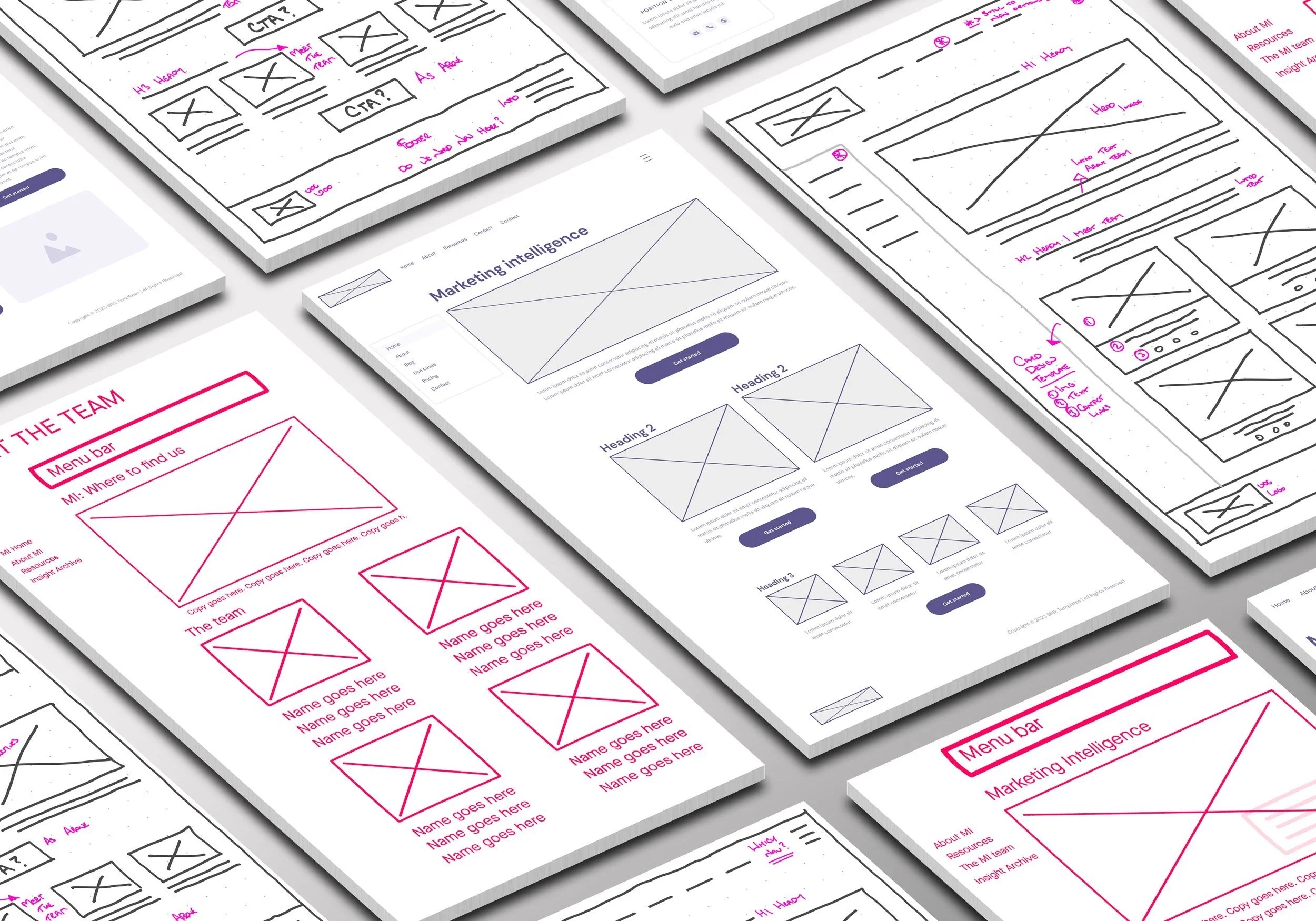
I began with a structured discovery phase — interviewing key stakeholders to understand how the team worked, what content existed, and what internal users actually needed. This shaped a clear information architecture that formed the backbone of the site.
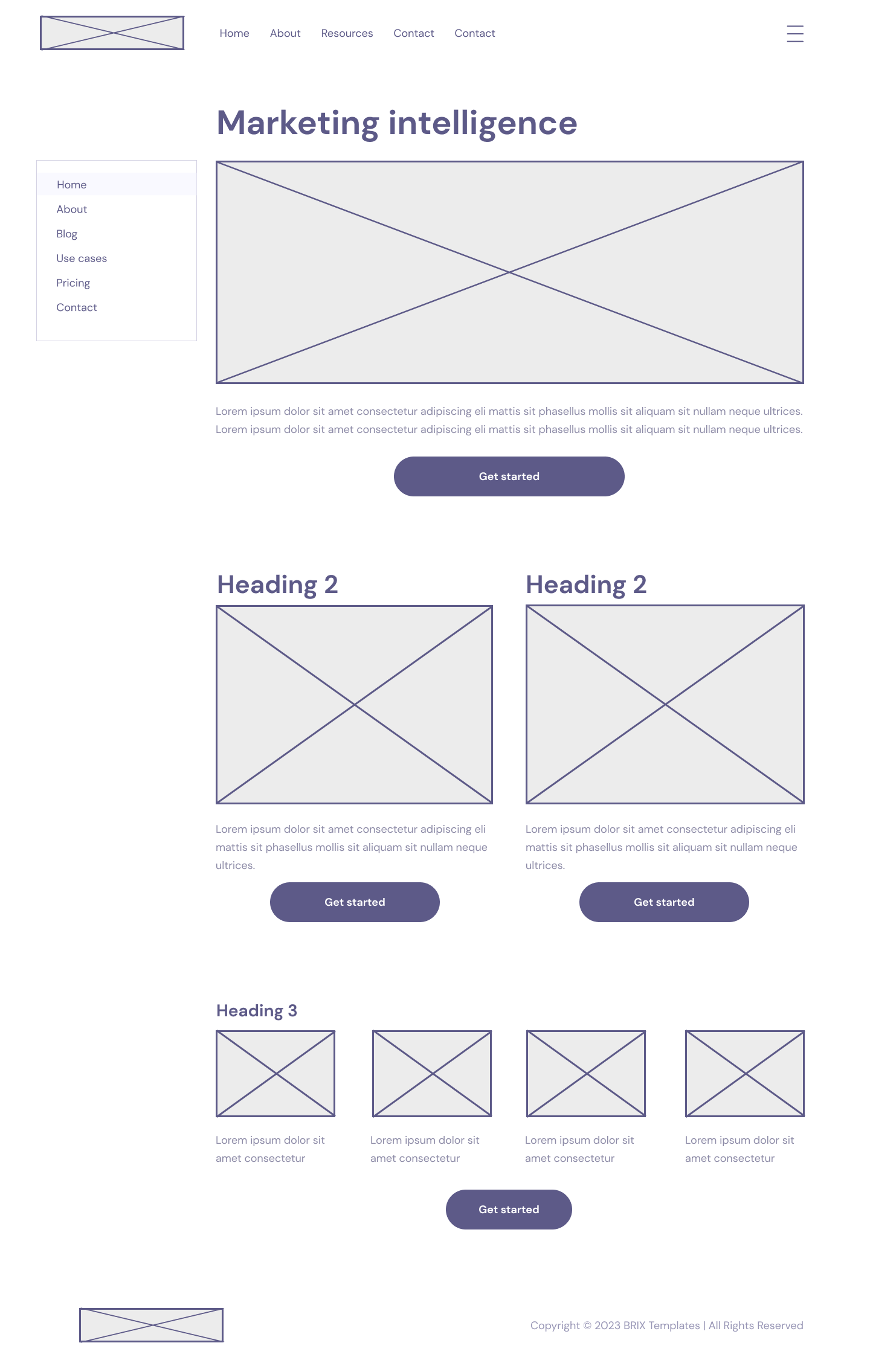
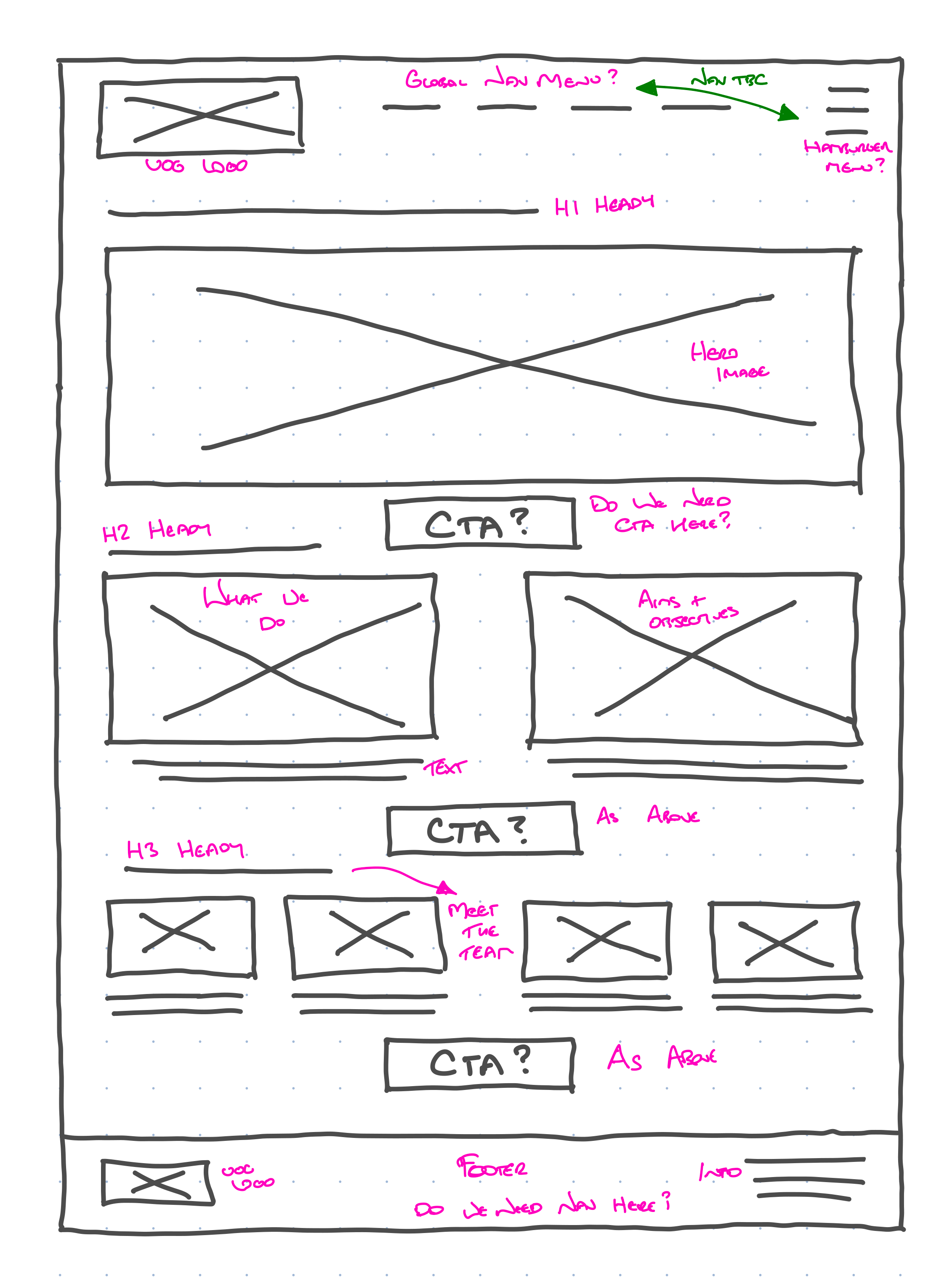
Working iteratively, I produced low-fidelity wireframes for review, gathered feedback, and refined through multiple rounds before moving to high-fidelity design. Every page was designed with internal usability in mind — clear navigation, plain-language headings, and a visual hierarchy that made key resources immediately accessible.
The outcome
The final design gave the Marketing Intelligence team a professional, well-structured digital presence within the university. Stakeholders responded positively to both the process and the output, and the design was passed to the development team with minimal amends required.